Why Trusted Writing Journals Matter for a Real Writing Practice
Over the years, I have filled more notebooks than I can count. Some were cheap spiral notebooks that fell apart after a few weeks. Others were expensive leather-bound volumes that looked beautiful but bled through with every fountain pen I owned. The search for the right notebook is not about vanity. It is about finding a tool that disappears in your hands, so the writing can flow. That is why I have spent time testing so many brands, and why I keep coming back to a short list of trusted writing journals that I rely on for every project.
What Makes a Journal Trustworthy
A trusted writing journal is not just a notebook with nice paper. It is a combination of factors that make the act of writing feel effortless. The paper must handle ink without feathering or bleeding. The binding must lie flat when opened. The pages must stay put, no matter how many times you flip back and forth. And the size and weight must be easy to carry, because a journal you leave at home is a journal you never use.
I have tested dozens of notebooks over the last twenty years, and I have learned that the most trusted writing journals are the ones that get out of your way. They let you focus on the words, not on the paper. That is a rare quality, and it is worth paying attention to.
My Personal Shortlist
After years of trial and error, I have settled on a handful of notebooks that I trust for different kinds of writing. Each has its own strengths, and none is perfect for every situation. But together, they cover almost every need.
Moleskine Classic
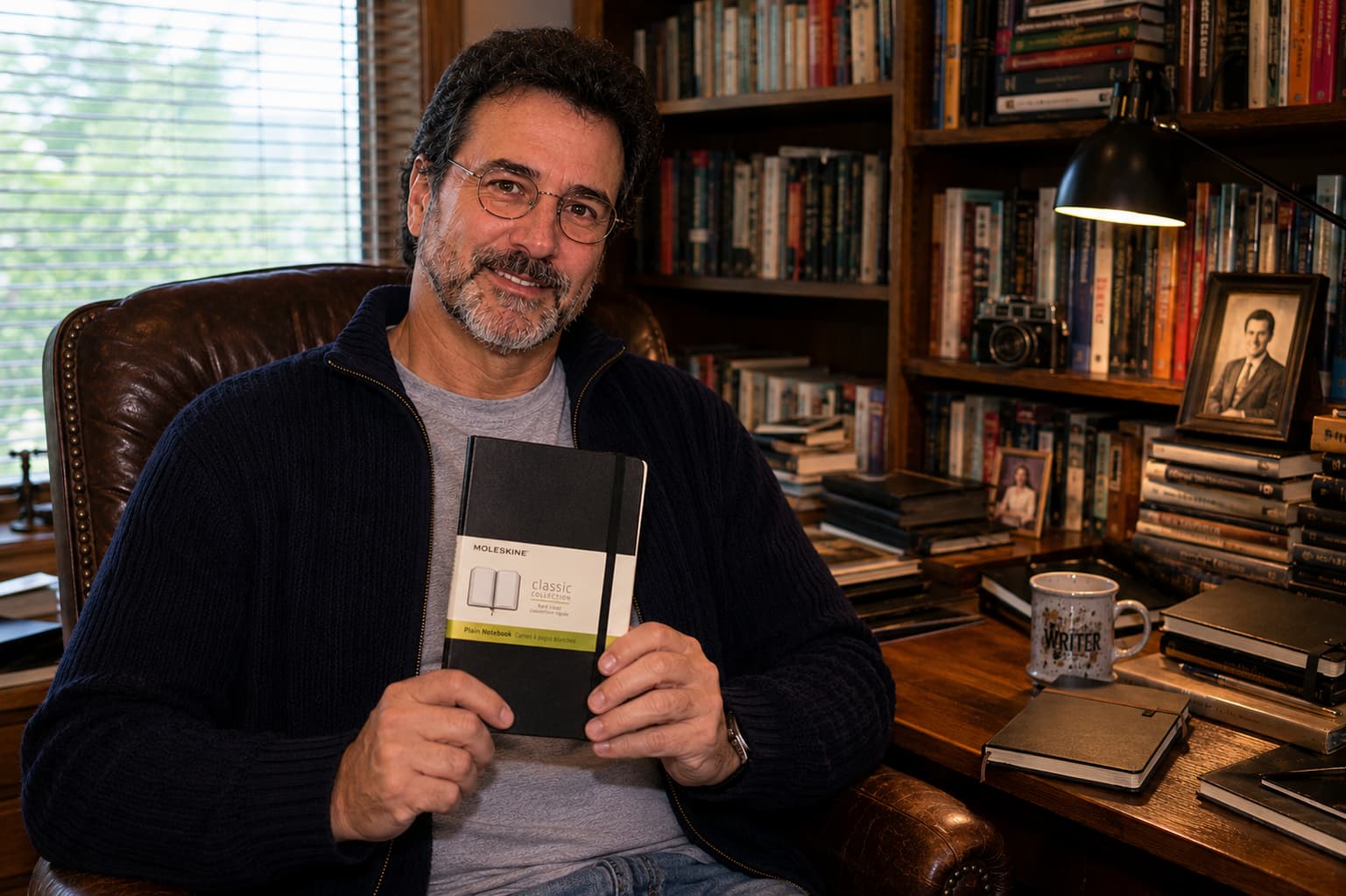
The Moleskine is probably the most famous notebook in the world. Its elastic band closure and rounded corners give it a classic look. The paper is smooth and pleasant to write on with a ballpoint or gel pen. However, if you use fountain pens or wet rollerballs, you may see some ghosting. I use a Moleskine for notes and rough drafts, not for final work with fountain pens. It is still a solid choice for everyday writing.
Leuchtturm1917
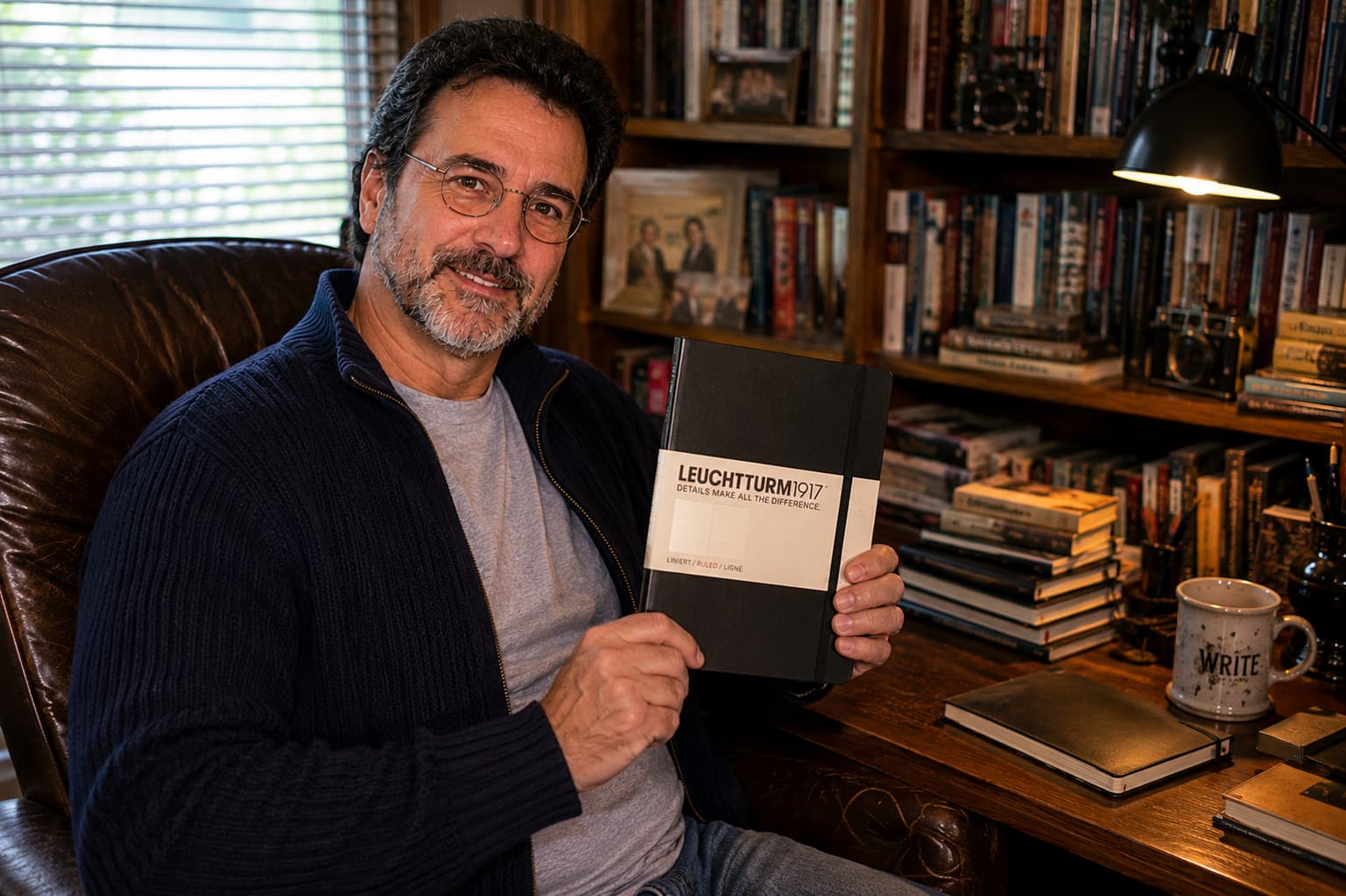
The Leuchtturm1917 is often compared to the Moleskine, but its paper is slightly more fountain pen friendly. The pages are numbered, which is a nice feature for bullet journaling. The notebook lies flat when opened, and the cover feels sturdy without being too heavy. I have used a Leuchtturm for several personal journals, and I appreciate the balance between quality and price.
Rhodia Webnotebook
Rhodia is a French brand known for its orange covers and ultra-smooth paper. The paper is coated, which makes it very resistant to ink bleed. I use a Rhodia for writing with my Lamy Safari fountain pen and Pilot G2 gel pen. The paper shows off the ink colors beautifully. The only downside is that the coating can feel a little slippery if you prefer a paper with more tooth.
Field Notes
Field Notes notebooks are small, affordable, and built for rough use. They come in packs of three, and the covers are often printed with fun designs. I keep a Field Notes in my back pocket for quick ideas, grocery lists, and notes on the go. The paper is not as good as Tomoe River paper, but it handles a Uni-ball Jetstream pen very well. Field Notes are not for serious long-form writing, but they are perfect for capturing thoughts before they vanish.
Midori MD
The Midori MD is a Japanese notebook that feels like a blank canvas. The paper is cream colored and soft, with a slight texture that many fountain pen users love. It works well with a Lamy Safari or any fountain pen, and it shows shading and sheen in ink. The minimal design is a plus if you prefer a notebook without any branding. I use a Midori MD for my morning pages, a practice I borrowed from Julia Cameron's The Artist's Way. The simple paper helps me write without distraction.
Hobonichi Techo
The Hobonichi Techo is a dated planner that uses Tomoe River paper. That paper is famously thin but incredibly strong, and it handles fountain pens, gel pens, and even brush pens without bleeding. The Hobonichi is designed for daily use, with one page per day. I have used it for journaling prompts and daily reflections, and the paper feels like a luxury. The only catch is that the thin paper shows ghosting on the other side, but many writers find that acceptable for the lightness and ink handling.
Paper Matters More Than You Think
After testing all these notebooks, I can say that the paper is the most important part of a trusted writing journals collection. Tomoe River paper is the gold standard for fountain pen users. It is thin, but it does not bleed or feather. It makes a Lamy Safari write like a much more expensive pen. Rhodia paper is almost as good, and it is more widely available. If you use a Pilot G2 or Uni-ball Jetstream, most of these papers will work fine. But if you are serious about pen and ink, paper quality is not something to skimp on.

When I write with a fountain pen on good paper, the experience is completely different from writing on cheap copy paper. The nib glides, the ink dries clean, and the writing looks sharp. That feeling encourages me to keep writing, even when I am stuck. That is why I am willing to pay more for a notebook that makes writing a pleasure.
How to Choose Your Own Trusted Writing Journal
If you are new to the world of good notebooks, do not rush to buy the most expensive one. Start with a small investment. Try a Rhodia Webnotebook or a Leuchtturm1917. Write in it for a few weeks. See how the paper feels with your favorite pen. If you are a fountain pen user, look for notebooks with Tomoe River paper. If you prefer ballpoints or gel pens, almost any of the brands above will work.
Also consider how you write. Do you carry a notebook everywhere? Then a pocket-sized Field Notes or a slim Midori MD might be best. Do you write at a desk? A larger Leuchtturm1917 or Rhodia A5 might suit you better. Do you use your notebook for bullet journaling? The Leuchtturm1917 has numbered pages and a table of contents that many bullet journal fans love.
I have seen writers spend hours reading notebook reviews on Amazon and Etsy, trying to find the perfect journal. That is fine, but the best way to know is to try one yourself. Buy a single notebook, use it every day for a month, and you will know if it works for you. That is how I found my own favorites.
Writing Through the Hard Parts
Even with the best notebook, writing can be hard. Writer's block is real, and no paper can fix it. But having a trusted writing journal can help. When the words do not come, I use journaling prompts to get started. The simple act of putting pen to paper, even if it is just a few lines about the weather, can break the block. I keep a list of prompts in my Hobonichi Techo, and I pull one out when I feel stuck.
The Artist's Way by Julia Cameron also emphasizes the importance of morning pages, which are three pages of stream-of-consciousness writing done first thing in the morning. I have done morning pages on and off for years, and they work best when I use a notebook that feels good in my hands. The Midori MD is my current favorite for this practice. The cream paper and soft lines make the ritual feel special, and that helps me show up every day.
Final Thoughts
Choosing a notebook is a personal decision. What works for one writer may not work for another. But I believe that every writer deserves a notebook that supports their practice, not one that fights against it. The trusted writing journals I have mentioned are not the only good ones, but they are the ones I have tested and relied on over the years. They have helped me write through good days and bad, through inspiration and dry spells.
If you are looking for a new notebook, I encourage you to start with one of these. Try it for a month. See how it feels. And if it does not work, try another. The goal is not to find the perfect notebook. The goal is to keep writing. A good notebook is just a tool, but the right tool can make the work a little easier.
Ends · TRUSTEDWRITINGJOURNALSCORNER